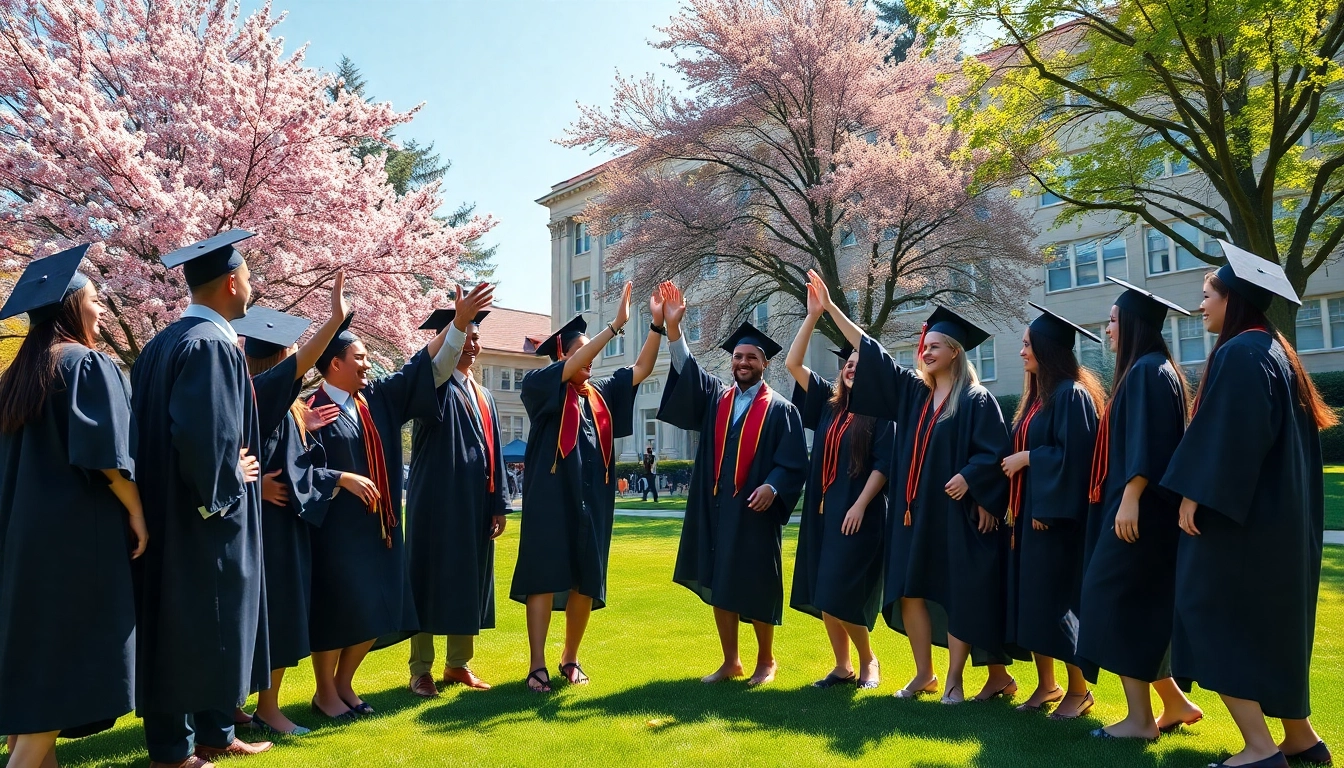
Understanding the Value of University and Trade School Graduates
In today's fast-evolving job market, the distinction between university and trade school graduates is becoming increasingly significant. Each path offers unique advantages, catering to different sectors and skill sets. For employers and businesses across the UK, recognizing the value of university and trade schools graduates is essential in recruiting the right talent to meet specific business needs. With the right insights, businesses can make informed decisions to enhance their workforce with skilled professionals.
What Skills Do Graduates from Trade Schools Offer?
Graduates from trade schools often enter the workforce armed with practical, hands-on skills that are immediately applicable. Fields such as plumbing, electrical work, and automotive technology emphasize skill proficiency over theoretical knowledge. This focus equips graduates to handle real-world challenges effectively. Moreover, many trade programs include components such as:
- Technical Training: Direct instruction in industry practices and techniques.
- Certifications: Credentials that may be required for specific jobs, enhancing employability.
- Apprenticeship Opportunities: Valuable on-the-job experience that helps develop essential skills in a professional environment.
How Do University Programs Shape Career Readiness?
University programs typically provide a more comprehensive educational experience, often focusing on critical thinking, problem-solving, and theoretical knowledge suited for various academic disciplines. Graduates are trained to approach complex issues with analytical reasoning, making them valuable in sectors such as:
- Business and Finance: Where strategic planning and financial acumen are essential.
- Healthcare: Emphasizing extensive knowledge and patient care scenarios.
- Engineering: Integrating advanced technical skills with project management capabilities.
This educational framework prepares university graduates for a diverse range of roles, fostering adaptability in various industries.
What Industries Benefit Most from These Graduates?
The benefits of hiring university and trade school graduates vary across sectors. For instance, industries such as construction, manufacturing, and technical services heavily rely on trade school graduates for their specialized skills. Conversely, corporate environments, healthcare systems, and technology firms often seek university graduates for their broader educational backgrounds and cognitive skills. Understanding the specific needs of your industry is critical for hiring decisions and can lead to enhanced business performance.
Identifying Key Attributes of Successful Graduates
When evaluating potential candidates, businesses should look beyond academic qualifications. Key attributes can greatly influence a graduate's success in the workplace and their potential contributions to the company. Recognizing these attributes can streamline the hiring process and lead to better employee retention.
What Personal Qualities Should Employers Look For?
Successful graduates often exhibit several personal qualities that enhance their professional effectiveness:
- Adaptability: The ability to adjust to new challenges or changes in work conditions.
- Communication Skills: Essential for collaboration and effective interaction within teams.
- Work Ethic: Demonstrated reliability and dedication to completing tasks efficiently.
How Does Internship Experience Influence Employability?
Internships play a vital role in shaping a graduate's employability. They provide opportunities for practical experience and professional networking, which can significantly enhance a candidate's resume. Graduates who have completed internships are often viewed more favorably by employers due to their exposure to real-world scenarios and workplace dynamics.
What Certifications or Additional Skills Enhance Graduate Profiles?
Additional certifications can serve as a differentiator in a competitive job market. Graduates who pursue certifications related to their field demonstrate a commitment to their profession, making them more attractive to employers. Skills such as project management, digital proficiency, and language capabilities can also enhance a graduate’s profile, contributing to broader career opportunities.
Comparing University and Trade School Outcomes
Understanding the differing outcomes for university and trade school graduates is essential for both job seekers and employers. By analyzing graduation and employment statistics, businesses can better gauge which educational avenues provide the most valuable talent.
What Are the Job Placement Rates for Graduates?
Job placement rates often reflect the effectiveness of educational programs. Trade schools frequently report higher placement rates in specific skilled trades due to the direct alignment of their training with industry requirements. Conversely, university graduates might face a more competitive job market, particularly in fields saturated with applicants. Evaluating these rates can help employers target their recruitment strategies effectively.
How Do Salaries Compare Between University and Trade School Graduates?
Salaries tend to vary significantly between university and trade school graduates. Generally, university graduates may start with higher salaries, reflecting the extensive training and qualifications required for many corporate roles. However, trade school graduates often earn competitive wages right out of school, especially in high-demand trades, which can lead to substantial earning potential over time.
What Long-Term Career Opportunities Exist in Each Path?
Both university and trade school graduates have unique long-term career trajectories. University graduates may pursue advanced degrees or specialized careers, leading to roles in management or academia. On the other hand, trade school graduates often find long-term success in skilled professions, attaining positions of leadership or starting their own businesses as they gain experience.
Finding the Right Fit for Your Business Needs
Hiring the right graduate for your business is crucial in ensuring organizational success. Understanding your specific needs and the qualities of potential candidates can streamline the hiring process.
How to Assess the Best Candidates for Open Positions?
Employers can use various methods to assess candidates effectively:
- Structured Interviews: Tailored questions focusing on the skills and attributes relevant to the role.
- Skill Assessments: Practical tests that evaluate candidates' abilities in real-world scenarios.
- Reference Checks: Gathering insights from previous employers can provide valuable context on a candidate's work ethic and performance.
What Questions Should Be Asked During Interviews?
A well-structured interview process includes questions that touch on both technical abilities and soft skills, such as:
- Can you describe a challenging project you worked on and how you approached it?
- How do you prioritize tasks when managing multiple deadlines?
- What motivates you to excel in your field?
How Can Businesses Support Local Education Institutions?
By fostering relationships with local universities and trade schools, businesses can help bridge the skills gap. Participation in job fairs, offering internships, and providing feedback on curriculum relevance can enhance educational outcomes and lead to better-prepared graduates.
The Future of Job Markets for Graduates in 2026
As we move toward 2026, understanding emerging trends in job markets will be vital for both graduates seeking employment and employers looking to recruit top talent. Anticipating these changes will enable businesses to align their strategies with the evolving landscape.
What Trends Are Emerging in Employment for Graduates?
Key trends affecting employment for graduates include an increased focus on remote work, greater emphasis on technology skills, and a surge in interdisciplinary education. As businesses adapt to these trends, graduates who possess a blend of traditional and innovative skills will be in high demand.
How Can Graduates Adapt to Changing Work Environments?
Graduates must cultivate a flexible mindset and pursue lifelong learning. Engaging in continuous professional development, such as online courses or workshops, will help individuals remain competitive in a rapidly evolving job market.
What Skills Will Be Most Valuable in the Next Five Years?
Emerging technologies and shifting business practices will elevate the value of specific skills, including:
- Data Analysis: Understanding data trends and analytics tools.
- Digital Marketing: Proficiency in online marketing strategies and tools.
- Soft Skills: Emotional intelligence, collaboration, and leadership will continue to be critical in diverse workplace settings.
What Are the Benefits of Hiring Local University and Trade School Graduates?
Hiring locally sourced graduates offers immense benefits, including a deeper understanding of the regional market and community dynamics. Local graduates often possess a commitment to their community, enhancing employee retention and building stronger organizational culture.
How Can Networking Improve Job Placement for Graduates?
Building networks between educational institutions and businesses can lead to increased job placements. Networking creates opportunities for interaction, mentorship, and collaboration, ultimately facilitating a smoother transition from education to employment for graduates.
What Resources Are Available for Employers Seeking Graduates?
Employers can access a variety of resources to assist in hiring graduates, including:
- Career Centers: Colleges and universities often have career placement services providing access to graduate profiles.
- Online Job Portals: Platforms that list available positions specifically targeting recent graduates.
- Professional Associations: Industry-specific organizations that connect employers with qualified graduates.