Understanding Hypermobility and Joint Health
Hypermobility refers to the ability of joints to move beyond their normal range of motion. While this condition can be common, particularly among children and athletes, it can lead to various problems if not managed properly. Individuals with hypermobility may experience joint pain, instability, and a higher risk of injuries. Understanding the implications of hypermobility is essential in maintaining overall joint health and mobility.
What is Hypermobility?
Hypermobility is often characterized by an increased range of motion in one or more joints, which can be hereditary or develop due to repetitive stress or injury. This condition may be diagnosed using the Beighton Score, a simple test that measures joint flexibility. Although hypermobility can enhance performance in sports that require flexibility and agility, it may also predispose individuals to joint pain, arthritis, and other musculoskeletal disorders later in life.
Common Symptoms and Conditions Associated with Hypermobility
Individuals with hypermobility may experience a range of symptoms, including:
- Joint pain and discomfort, especially after activity.
- Frequent sprains and strains due to joint instability.
- Fatigue in muscles around hypermobile joints.
- Difficulty maintaining proper posture, leading to back pain.
Conditions often associated with hypermobility include Ehlers-Danlos syndrome, osteoarthritis, and joint dislocations, which highlight the need for effective support and management strategies.
Importance of Proper Joint Support
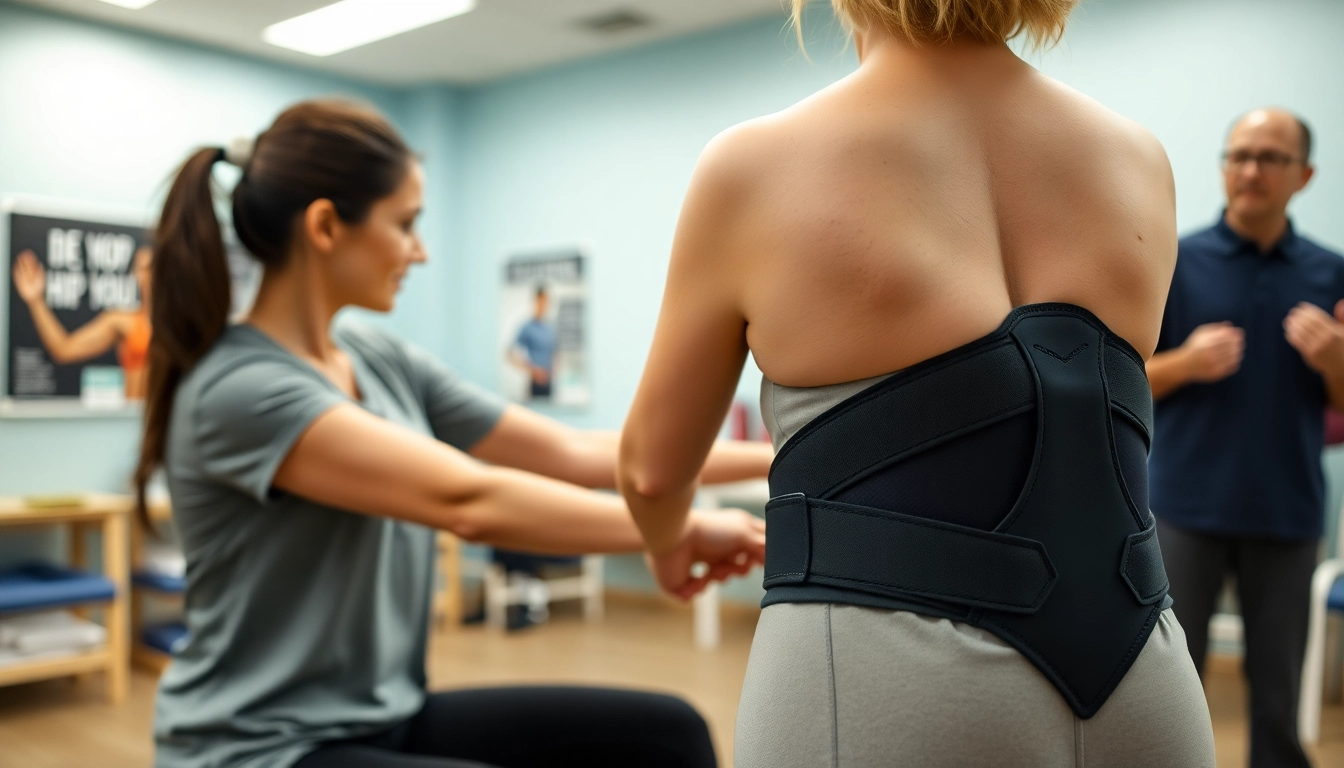
Proper support for hypermobile joints is crucial for preventing injuries and managing pain. hip brace for hypermobility can significantly enhance stability and provide much-needed compression, reducing the risk of excessive movement that can lead to further complications. Understanding the right support mechanisms can empower individuals to engage in physical activities without fear of injury.
When to Consider a Hip Brace
Deciding when to use a hip brace can significantly impact an individual’s mobility and quality of life. Recognizing the signs of hip instability and assessing pain levels are essential steps in determining the need for supportive devices.
Identifying the Signs of Hip Instability
Signs of hip instability may include:
- Frequent sensations of the hip giving way.
- Pain during weight-bearing activities.
- Difficulty with movement patterns such as squatting or climbing stairs.
If these symptoms occur regularly, it is essential to consider a hip brace to provide the necessary support and stabilize the joint.
Assessing Pain Levels and Mobility Challenges
Persistent pain, especially if it disrupts daily activities, should never be ignored. Understanding your pain levels is crucial:
- If pain intensifies during specific activities, this may indicate a need for additional support.
- Changes in mobility, such as limping or favoring one leg, can also signal instability.
Addressing these issues promptly with the help of a healthcare provider can help determine whether a hip brace or other interventions are necessary.
Consulting with Healthcare Professionals
Working with healthcare professionals, such as physiotherapists or orthopedic specialists, can provide tailored advice on managing hypermobility. They can assess your joint function and suggest suitable supports that align with your lifestyle and activities, making it easier to continue being active while minimizing pain.
Types of Hip Braces for Hypermobility
When selecting a hip brace, understanding the different types available can help ensure you choose a product that fits your needs and lifestyle.
Compression Braces: How They Work
Compression braces function by providing support and promoting blood flow around the joint. This type of brace is particularly helpful for those who experience swelling or discomfort associated with hypermobility. The compression helps stabilize the joint and can alleviate pain during movement.
Stabilizing Braces: Key Features to Look For
Stabilizing braces often come with features such as adjustable straps, which allow for a personalized fit, and additional padding for comfort. Look for braces that support the hip in proper alignment while allowing for a full range of motion. Key features to consider include:
- Material breathability for comfort.
- Lightweight design for ease of use.
- Multi-directional support for lateral and rotational movements.
Custom vs. Off-the-Shelf Options
While custom braces are designed to fit the individual’s unique anatomy, off-the-shelf options can be a cost-effective solution. Depending on your specific needs and budget, either can be beneficial. It’s essential to evaluate your options carefully and seek professional guidance when choosing the right solution for you.
How to Effectively Use a Hip Brace
Once you have selected a hip brace, knowing how to use it effectively is key to maximizing its benefits. Proper fitting techniques and integration into daily activities will help ensure the brace serves its purpose.
Proper Fitting Techniques and Adjustments
A proper fit is crucial for a hip brace to provide adequate support. Take the following steps to ensure your brace is fitting correctly:
- Follow the manufacturer’s sizing instructions for accurate measurements.
- Adjust straps snugly, but not so tightly that circulation is cut off.
- Ensure that the brace stays in place during movement, adjusting as necessary.
Integrating Braces Into Daily Activities
Incorporate your hip brace into your daily routine by wearing it during activities that typically exacerbate your symptoms. This may include exercise, walking, or standing for extended periods. Gradually increasing your use of the brace can help you become accustomed to its support, improving your overall mobility.
Complementary Exercises for Enhanced Support
To further strengthen the muscles around the hip joint, consider integrating targeted exercises into your routine. Focus on:
- Strengthening the core and gluteal muscles.
- Incorporating flexibility and stretching exercises.
- Practicing balance training to improve joint stability.
Engaging in regular physical therapy sessions can also provide personalized exercise programs tailored to your condition.
Future Trends in Hip Support Technologies
As we move into the future, the landscape of joint support technologies continues to evolve. Understanding emerging innovations can help you stay informed about the best options for managing hypermobility and enhancing joint health.
Innovations in Brace Design for Enhanced Comfort
Recent advancements in materials and design aim to improve the comfort of hip braces. Innovations such as lightweight fabrics, moisture-wicking properties, and ergonomic designs enhance user experience while providing necessary support. These improvements make it easier for individuals to wear braces throughout the day without discomfort.
Emerging Research on Hypermobility Treatments
Research into hypermobility treatments is continually evolving, with studies focusing on better understanding the biomechanical implications of the condition. Ongoing investigations into the effectiveness of joint supports and rehabilitative techniques will likely lead to improved management strategies and products available on the market.
Predictions for Joint Health Support Solutions by 2026
Looking ahead, the joint health industry is likely to focus on personalized solutions. Anticipated trends include customizable braces that adjust dynamically to the user’s movements and condition, smart technology integration for real-time feedback, and enhanced rehabilitation protocols based on individual progress tracking.