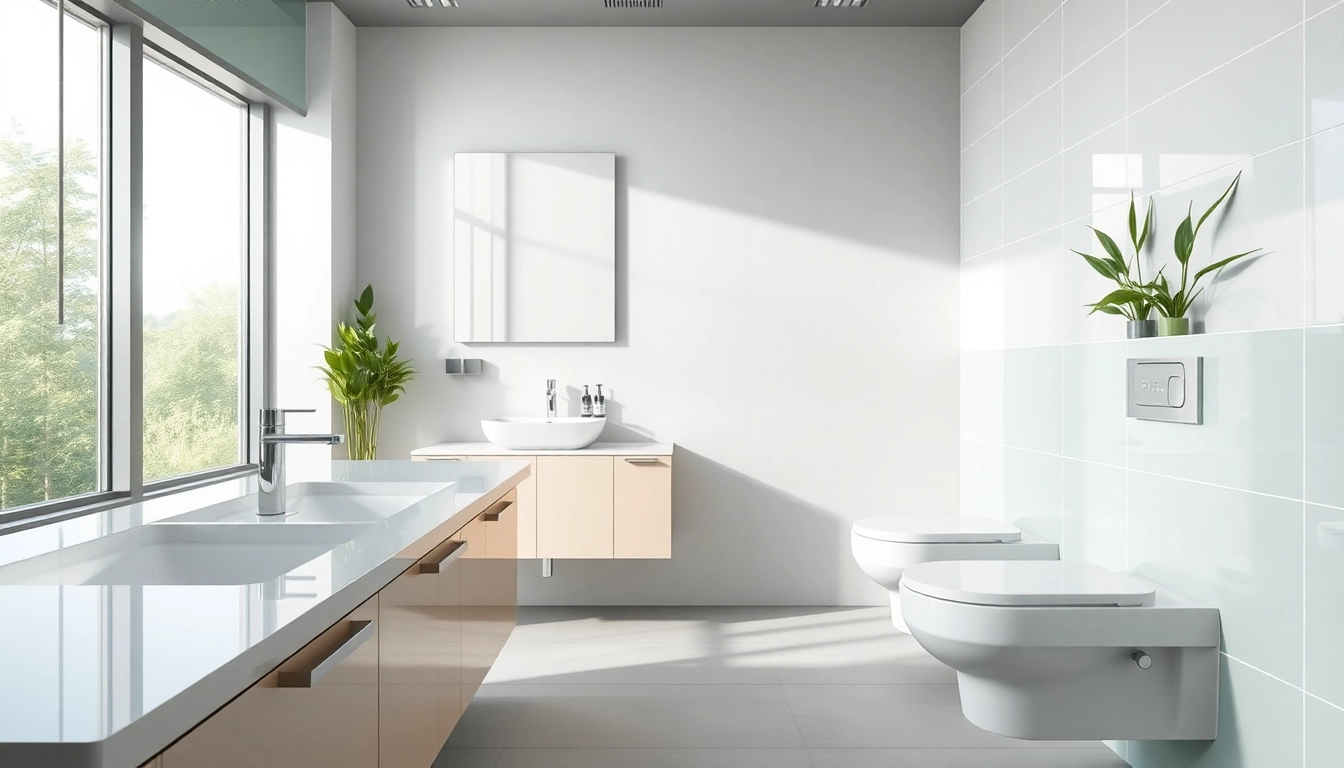
Understanding Commercial Washroom Refurbishment
What is Commercial Washroom Refurbishment?
Commercial washroom refurbishment refers to the process of upgrading and renovating restroom facilities in commercial settings, such as offices, retail spaces, or educational institutions. This involves comprehensive improvements, including plumbing, fixtures, aesthetics, and overall functionality. The goal is to create a clean, welcoming, and efficient space that meets the needs of users while reflecting the organization’s brand identity.
Benefits of Commercial Washroom Refurbishment
The benefits of conducting a commercial washroom refurbishment extend beyond aesthetic appeal. Here are several key advantages:
- Enhanced User Experience: A modern washroom can significantly improve visitor satisfaction and comfort.
- Increased Property Value: Refurbished facilities can enhance overall property value, making it more appealing to potential tenants or buyers.
- Environmental Efficiency: Incorporating eco-friendly materials and fixtures can reduce water consumption and energy usage.
- Brand Image Improvement: A well-designed washroom reflects professionalism and attention to detail, enhancing company image.
- Compliance with Regulations: Renovation is a chance to update facilities to comply with health and safety regulations.
Key Features of Modern Washrooms
Modern washrooms are designed with both aesthetics and functionality in mind. Key features often include:
- Automatic Fixtures: Touchless sinks and toilets promote hygiene and reduce water waste.
- High-Quality Materials: Durable surfaces like quartz countertops and stainless steel fixtures withstand wear and tear.
- Smart Technology: Systems for monitoring usage and maintenance schedules can improve efficiency.
- Accessibility: Compliance with the ADA ensures that washrooms are accessible to everyone, including those with disabilities.
- Aesthetically Pleasing Designs: Modern colors, innovative layouts, and mood lighting create inviting spaces.
Planning Your Refurbishment Project
Setting a Budget for Your Refurbishment
Establishing a clear budget is crucial for the success of your refurbishment project. Consider the following steps:
- Research Costs: Gather estimates for materials, labor, and any professional services you may need.
- Prioritize Needs vs. Wants: Identify what aspects of the refurbishment are essential and which are optional.
- Plan for Contingencies: Set aside a portion of your budget for unexpected expenses that may arise during the project.
Choosing the Right Materials
The materials used in a washroom refurbishment can greatly impact durability and maintenance. When selecting materials, consider:
- Durability: Opt for materials that stand up to moisture and wear, such as ceramic tiles or laminate.
- Maintenance: Choose easy-to-clean surfaces to facilitate upkeep and hygiene.
- Eco-Friendliness: Sustainable materials not only reduce environmental impact but may also qualify for subsidies or tax breaks.
Design Considerations for Functionality and Aesthetics
The design of your commercial washroom should balance functionality and aesthetics to create a welcoming experience. Important considerations include:
- Flow and Layout: Ensure that the layout allows for smooth traffic flow and easy access to fixtures.
- Lighting: Good lighting enhances safety and ambiance, so consider a mixture of natural and artificial sources.
- Color Schemes: Choose colors that align with your brand and invoke the desired mood, from calm and soothing to vibrant and energizing.
Implementation Steps for Your Refurbishment
Hiring Professional Services
Choosing the right contractors is essential for executing a successful washroom refurbishment. Look for professionals who:
- Have Proven Experience: Opt for contractors with a strong portfolio in commercial projects.
- Provide Transparent Estimates: Ensure all costs are clearly defined to avoid unexpected charges later.
- Offer Support Post-Completion: Good contractors will have maintenance options or can recommend services for ongoing care.
Timeline for Completion
Establishing a realistic timeline is vital for keeping the project on track. Factors influencing your timeline can include:
- Scope of Work: Larger projects will naturally take more time.
- Material Availability: Ensure your chosen materials are readily available to prevent delays.
- Permitting Process: Allow adequate time for obtaining any necessary permits before work begins.
Managing Disruptions During Refurbishment
Refurbishing commercial washrooms can cause disruption to daily operations. To mitigate this impact:
- Schedule During Off-Peak Hours: Consider conducting work during evenings or weekends to minimize disruption.
- Communicate Clearly: Keep all stakeholders informed of timelines and potential inconveniences.
- Provide Temporary Facilities: If necessary, set up temporary washroom facilities to accommodate users.
Maintenance and Aftercare
Routine Maintenance Tips for Longevity
To ensure your refurbished washroom remains in top condition, adopt a routine maintenance schedule that includes:
- Regular Cleaning: Implement daily cleaning protocols for fixtures and floors to maintain hygiene.
- Inspections: Regular checks of plumbing and electrical systems can catch issues early.
- Resealing Surfaces: Periodic resealing of grout and countertops can prolong their lifespan.
Addressing Common Issues Post-Refurbishment
Despite thorough planning, some issues may arise after refurbishment. Common problems and solutions include:
- Leaky Fixtures: Immediate attention and repairs are necessary to prevent water damage.
- Blocked Drains: Establish a routine cleaning programme to avoid build-up in plumbing.
- Wear and Tear: Regular touch-ups on paint or fixtures can keep the washroom looking fresh.
Feedback and Adjustments to Space
Seeking user feedback after refurbishment is crucial for continuous improvement. Consider conducting surveys or observation to understand how the space is functioning. Be open to making adjustments based on this feedback to ensure the washroom meets the changing needs of its users.
Case Studies and Best Practices
Successful Refurbishment Examples
Learning from successful refurbishment projects can provide valuable insights. For instance, a boutique hotel transformed its washroom by integrating eco-friendly toilets and artistic tiles, leading to positive guest feedback and increased occupancy rates. Key practices included prioritizing user experience and selecting visually appealing materials.
Innovative Design Trends in Commercial Washrooms
Commercial washroom design continues to evolve. Current trends emphasize the use of:
- Nature Elements: Incorporating plants and natural materials enhances user experience and creates a calming environment.
- Technology Integration: Advanced lighting systems, touchless taps, and automated toilets provide convenience and hygiene.
- Bold Colors and Graphics: Unique designs differentiate spaces and strengthen branding.
Measuring Success: Performance Metrics to Track
Tracking the performance of your refurbished washroom can reveal whether upgrades achieve desired outcomes. Useful metrics might include:
- User Satisfaction: Conduct regular surveys to assess user happiness and areas of improvement.
- Maintenance Costs: Monitor costs before and after refurbishment to gauge financial efficiency.
- Foot Traffic: Analyze changes in visitor numbers pre- and post-refurbishment to evaluate impact on business.
Frequently Asked Questions
What is the typical duration for a commercial washroom refurbishment?
The duration depends on the complexity of the project, typically ranging from a few weeks to a couple of months.
How much should I budget for a washroom refurbishment?
Your budget varies widely based on scope; an average estimate often falls between 10% to 15% of the total project value.
Can I stay open during the refurbishment?
Yes, with effective planning and scheduling, areas can remain operational while work occurs in phases.
What are the most important factors to consider in design?
Key factors include user flow, functionality, aesthetics, and adherence to accessibility regulations.
Are eco-friendly options available for washroom fixtures?
Yes, many companies offer sustainable fixtures that reduce water usage and energy consumption.