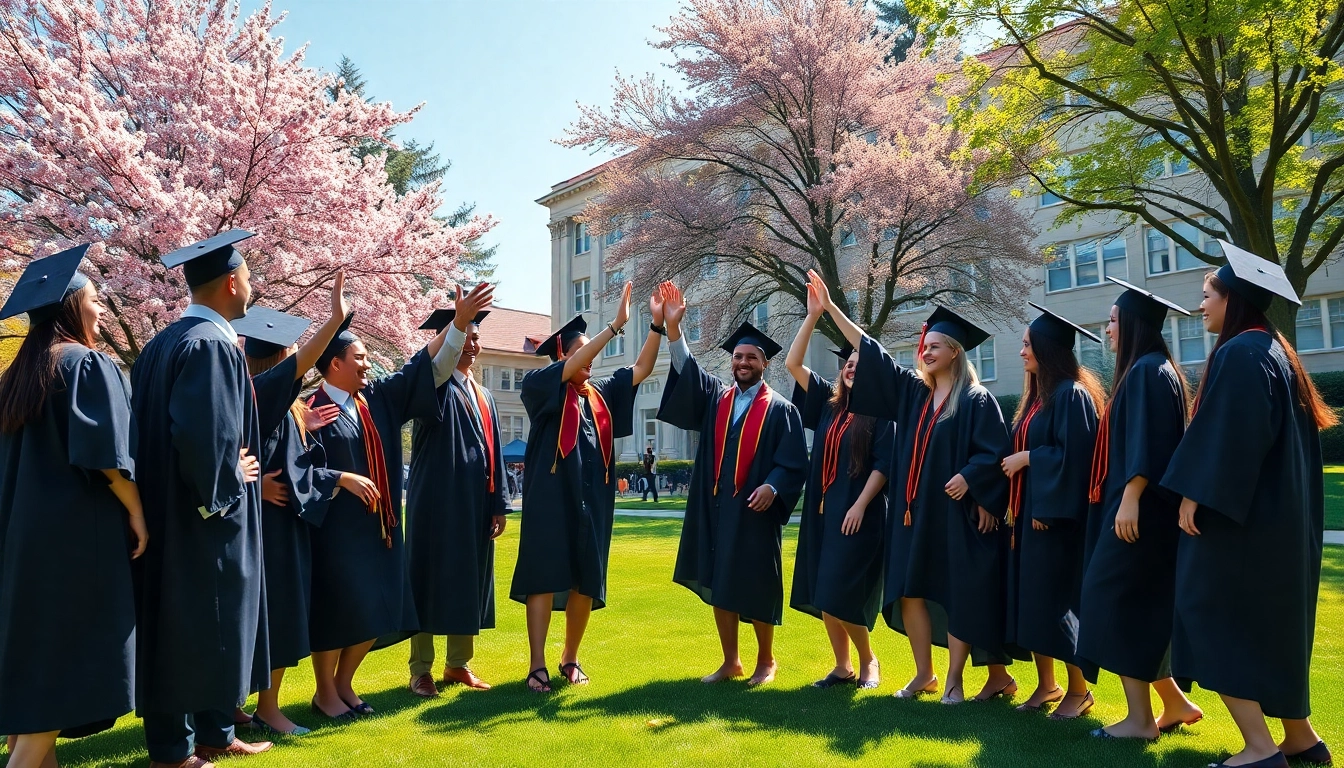
Understanding the Graduate Landscape
The Current Job Market for Graduates
The job market for graduates has become increasingly competitive in recent years. With the rise of automation and technological advancements, employers are seeking candidates who are not just academically qualified but also possess relevant soft skills. Numerous surveys indicate that many sectors are struggling to find qualified talent, but graduates may face challenges breaking into these roles due to inexperience. A combination of hands-on experience through internships and a strong educational background can significantly enhance a graduate’s marketability.
Key Skills Employers Seek in Graduates
Employers are often on the lookout for a blend of hard and soft skills. Key skills that stand out include:
- Communication: Clear and effective communication is essential in every field.
- Problem Solving: Graduates should demonstrate critical thinking and innovation.
- Teamwork: The ability to collaborate effectively in diverse teams is highly valued.
- Adaptability: Graduates should show they can adapt to changing environments and job requirements.
- Technical Proficiency: Basic proficiency in relevant technology, especially in data and digital tools, is increasingly essential.
Increasingly, employers are seeking graduates who can combine these skills to foster growth and innovation within their organizations.
Trends Shaping Graduate Employment Opportunities
Several trends are currently influencing the landscape for graduates, shaping how they can find opportunities:
- Remote Work Opportunities: The rise of remote work has opened doors for graduates to seek positions globally.
- Gig Economy: Short-term contracts and freelance work are becoming commonplace, allowing for varied experiences.
- Diversity and Inclusion Initiatives: Many companies are actively seeking to improve their workforce diversity, which can help graduates from varied backgrounds find roles.
- Continuing Education: Graduates are encouraged to engage in lifelong learning to stay relevant in their fields.
Understanding these trends can help graduates tailor their job search strategies effectively.
Building a Professional Network as a Graduate
The Importance of Networking for Graduates
Networking is a critical element of career development for graduates. Connections can lead to job opportunities, mentorship, and support. Graduates often find that personal referrals are a key way to access unpublished job openings. Engaging with alumni networks or attending industry events enables new graduates to expand their professional circles significantly and tap into valuable resources.
Strategies to Connect with Industry Leaders
To effectively connect with industry leaders, graduates can employ several strategies:
- Attend Conferences: Participating in industry conferences allows graduates to meet leaders in their fields directly.
- Join Professional Organizations: Becoming a member of relevant associations provides networking opportunities and resources.
- Request Informational Interviews: Graduates can reach out to professionals for informal discussions to expand their knowledge and network.
By proactively reaching out, graduates can establish relationships that may lead to future job opportunities.
Leveraging Social Media for Networking
Social media platforms such as LinkedIn are invaluable tools for networking. Graduates can create professional profiles that showcase their skills and achievements. Regularly sharing relevant content, participating in discussions, and connecting with industry professionals can enhance visibility and establish credibility. Engaging with content from others in their field can further amplify their presence and create meaningful connections.
Crafting an Effective Graduate Resume
Key Components of a Graduate Resume
A graduate resume must effectively highlight educational achievements, relevant experiences, and skills. Key components to include are:
- Contact Information: Clearly list current contact details.
- Objective Statement: A brief introduction outlining career goals and areas of interest.
- Education: Include degrees, institutions, and relevant coursework.
- Experience: Detail internships, part-time jobs, or relevant voluntary work.
- Skills: A bullet-point list of both hard and soft skills.
Properly structuring a resume with these components can significantly impact a graduate’s chances of attracting potential employers.
Showcasing Achievements and Skills
Achievements should be quantified wherever possible, making it easier for employers to grasp the value a graduate has brought to previous roles or projects. For example:
- “Increased social media engagement by 30% through targeted campaigns.”
- “Managed a student project that raised £1000 for a local charity.”
These specifics help illustrate a graduate’s capabilities and directly correlate with potential job performance.
Tailoring Your Resume for Specific Roles
It’s critical for graduates to customize their resumes for each job application. This involves not only including relevant experiences but also adapting the keywords found in job descriptions to ensure their resumes pass applicant tracking systems. Tailored resumes demonstrate genuine interest in the positions applied for and can help graduates stand out from the competition.
Mastering the Job Interview Process
Common Interview Questions for Graduates
Some common interview questions that graduates should prepare for include:
- “Tell me about yourself.”
- “What are your strengths and weaknesses?”
- “Why do you want to work for our company?”
- “Describe a challenge you’ve faced and how you overcame it.”
Preparing thoughtful responses to these questions can help graduates convey confidence and competence.
Preparing for Behavioral Interviews
Behavioral interviews focus on past experiences to predict future behavior. The STAR technique (Situation, Task, Action, Result) can be an effective framework to respond to such questions. Graduates should practice detailing specific situations that illustrate their skills and adaptability, giving interviewers concrete examples of how they handle challenges and achieve results.
Follow-Up Strategies After Interviews
Following up after an interview demonstrates enthusiasm and professionalism. A concise thank-you email expressing gratitude for the opportunity, along with a brief recap of relevant conversations from the interview, is advisable. This reinforces a graduate’s interest in the position and keeps them top-of-mind for the hiring manager.
Navigating Graduate Career Challenges
Overcoming Rejection as a Graduate
Rejection is a common experience for many graduates. Understanding that it is often not a reflection of personal worth can help in coping with these feelings. Graduates should seek feedback where possible and use it to refine their applications and interviews. Maintaining a positive outlook and perseverance is key to navigating the job market successfully.
Developing Resilience in the Job Search
Building resilience during a job search involves developing coping strategies to deal with setbacks. Graduates can benefit from setting realistic goals and celebrating small wins during the job search process. Engaging in physical activity, practicing mindfulness, and participating in support groups can also contribute to mental well-being.
Resources and Support for Graduates
Numerous resources are available for graduates embarking on their job search. Career services at universities often provide guidance on resume writing, interview preparation, and networking. Additionally, professional development workshops, online courses, and resume-building tools can support graduates in becoming more market-ready. Engaging in these resources can offer a substantial advantage in the competitive job market.
Frequently Asked Questions
How can graduates improve their chances of getting hired?
Graduates can improve their chances by gaining relevant experience through internships, crafting tailored resumes, and developing soft skills for better communication and teamwork.
What are the best ways to network as a graduate?
Great ways to network include attending industry events, joining professional organizations, and utilizing platforms like LinkedIn to connect with industry professionals.
What skills do employers value most in graduates?
Employers highly value communication, problem-solving, adaptability, technical proficiency, and teamwork as essential skills for recent graduates.
How should graduates prepare for behavioral interviews?
Graduates should prepare for behavioral interviews by practicing the STAR technique to formulate structured responses based on past experiences and challenges.
What should graduates do after an interview?
After an interview, graduates should send a thank-you email reiterating their interest in the position and thanking the interviewer for their time and insights.