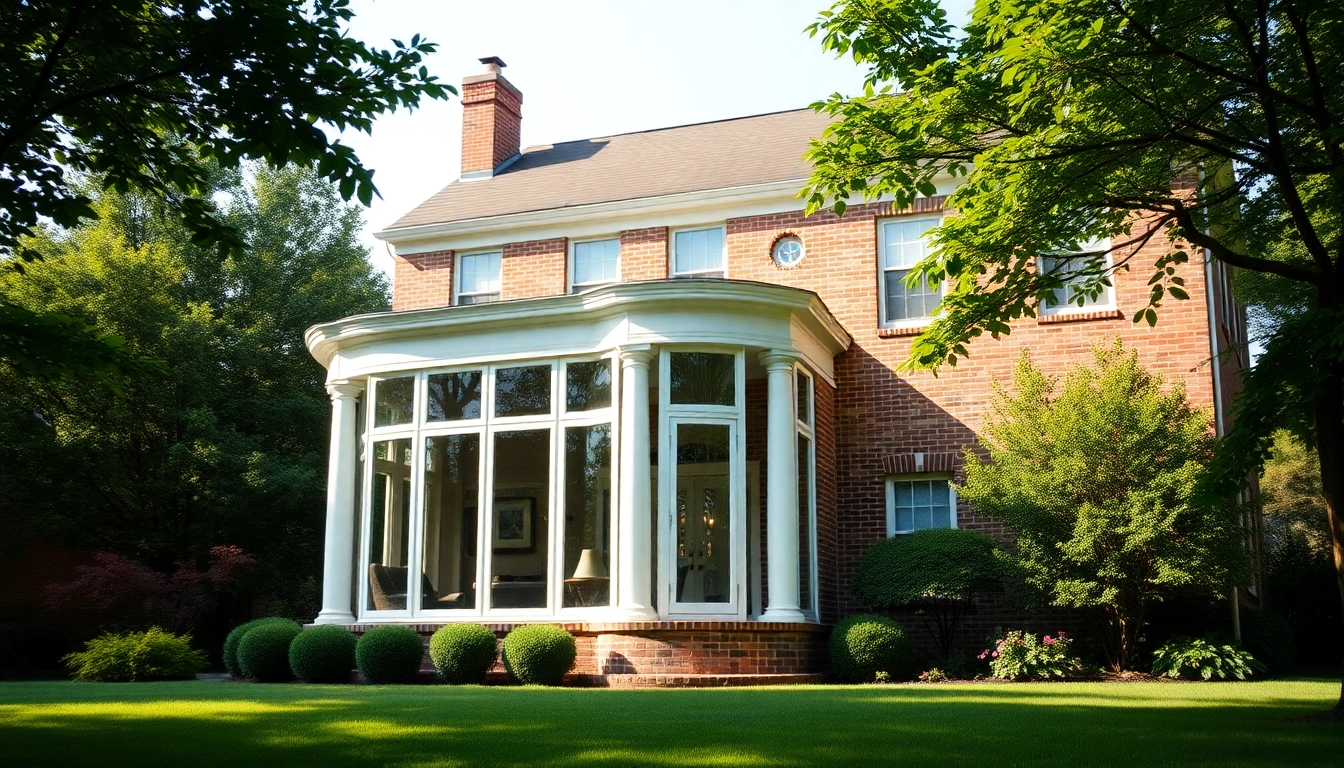
Understanding Colonial Home Additions
What Defines a Colonial Home Addition?
A colonial home addition is an extension that enhances the charm and functional space of a traditional colonial-style house. These homes typically feature symmetrical facades, gabled roofs, and decorative elements like pilasters and pediments. When integrating an addition, it’s crucial to maintain these defining architectural characteristics to ensure cohesion between the original structure and the new space. This often involves matching rooflines, window styles, and materials. For those considering such a project, a well-executed colonial home addition can elevate not only your living standards but also the property’s market value.
Benefits of a Colonial Home Addition
The primary benefits of a colonial home addition include increased living space, boosted property value, and enhanced aesthetics. Adding square footage can masterfully transform cramped areas into spacious living environments tailored to modern needs, such as home offices, playrooms, or guest suites. Moreover, while colonial homes boast timeless elegance, a thoughtfully designed addition can further highlight their beauty, contributing positively to curb appeal. Lastly, an addition can serve as an investment, as it can significantly increase the resale value of the property, making it an attractive option for future buyers.
Common Design Features to Consider
When planning a colonial home addition, several design features can be integrated to preserve the authentic colonial style. Elements like brick or wood siding, symmetrical windows, and classic entry doors are essential. It’s also advisable to consider the roofline continuity; gable roofs are a hallmark of colonial architecture and should be reflected in the addition. Inside, maintain a cohesive design by selecting period-appropriate moldings, trim, and fixtures that echo the existing home’s character, allowing the addition to blend seamlessly into the whole.
Design Ideas for Colonial Home Additions
Integrating Modern Amenities with Historical Style
Incorporating modern amenities doesn’t mean sacrificing the colonial charm of your home. When designing your addition, consider open floor plans that allow natural light to flood in, creating a warm and inviting atmosphere. Generous windows and perhaps sliding glass doors can seamlessly connect indoor and outdoor spaces, providing comfort while maintaining classic aesthetics. Additionally, updated kitchens and bathrooms, often the focal points in home modernizations, can feature high-end appliances and fixtures without straying from traditional design language through careful choices of cabinetry and materials.
Color Schemes and Material Choices
Color schemes play a pivotal role in unifying your colonial home addition with the existing structure. Traditional color palettes often consist of muted, historical colors such as soft whites, creams, pale greens, and blues. Pairing these hues with natural materials like wood or brick fosters cohesion and complements the historical context. Ensure that materials selected for the addition, whether cement board siding or natural wood, echo the qualities of the original building. For instance, if your colonial home features brick, using a similar brick or a complementary colored stucco can enhance visual appeal and uniformity.
Landscaping Around Your Colonial Home Addition
Landscaping is crucial to harmonizing the exterior of your colonial home addition with its surroundings. Opt for traditional motifs, such as formal gardens or classic hedge layouts, to echo the home’s architecture. Planting period-appropriate flora can enhance the overall aesthetic, while well-placed walkways can provide seamless transitions between spaces. Consider using stone or brick pathways, as they resonate well with the colonial design ethos, providing both function and an inviting atmosphere that harmonizes with the natural surroundings.
Planning Your Colonial Home Addition Project
Steps to Start Your Addition Project
Beginning your colonial home addition requires thorough planning. Start by defining your needs and desired outcomes, considering how the new space will be used. Next, sketch some preliminary ideas or layouts, which can be refined with the help of a professional architect. Conduct a site analysis to understand how the addition will impact the existing structure and its surroundings. Afterward, consulting with local zoning and building regulations is crucial to ensure compliance throughout the project. Lastly, develop a timeline that reflects all phases of construction and ensures minimal disruption.
Budgeting for Your Colonial Home Addition
Budgeting is a critical step in the addition process. Start by estimating costs based on your design and material choices, being open to adjustments as you refine your plans. Include expenses for labor, permits, and materials in your calculations. It’s advisable to set aside a contingency budget for unforeseen costs, which may arise during construction. Seek estimates from multiple contractors to ensure competitiveness while also evaluating their portfolios for quality assurance. A well-planned budget will help minimize financial strains as your project progresses.
Hiring Professionals vs. DIY Approaches
Deciding whether to hire professionals or adopt a DIY approach largely depends on your skill set, the size and complexity of the addition, and personal preference. While DIY can save money, it’s essential to acknowledge that professional architects and contractors have the expertise to navigate regulations and execute designs that meet local code requirements effectively. If your project is more intricate or requires specialized skills, investing in professionals ensures quality and compliance, ultimately leading to a finished product you can be proud of.
Regulations and Permits for Colonial Home Additions
Understanding Local Building Codes
Before undertaking a colonial home addition, it’s imperative to familiarize yourself with local building codes. These regulations dictate aspects such as structural integrity, electrical systems, plumbing, and energy efficiency standards. Compliance with building codes not only ensures safety but can also affect your property’s resale value and insurance considerations. As these codes can vary significantly from one locality to another, consult your municipality’s zoning office for specific information applicable to your project.
Obtaining Necessary Permits
Obtaining necessary permits is a vital step before starting construction. These permits serve as legal permissions granted by local authorities, verifying that your proposed project complies with existing zoning laws and building codes. The process typically involves submitting plans that detail your project, which may require a review by various municipal departments. Engaging with a contractor familiar with the permit process can significantly expedite this step, ensuring that all documentation is properly filed and approved before breaking ground.
Homeowners’ Associations and Additional Guidelines
For homes located in areas governed by homeowners’ associations (HOAs), understanding their guidelines is crucial to your colonial home addition project. HOAs often have specific rules regarding exterior alterations, including size, color, and landscaping requirements. Failing to comply can lead to the rejection of your plans or even fines after the fact. Therefore, be proactive by reviewing your HOA’s bylaws early in your planning process and seeking permission when necessary to avoid future conflicts.
Maximizing Value with a Colonial Home Addition
Enhancing Curb Appeal and Resale Value
Enhancing curb appeal and maximizing resale value is a primary motivation behind many colonial home additions. A visually appealing home not only attracts buyers but can also set your property apart in a competitive market. Invest in high-quality materials and finishes, which can elevate the home’s exterior and interior look. Features such as intricate moldings, appealing landscaping, and updated entryways contribute positively to first impressions. In many cases, a thoughtfully designed addition may yield a substantial return on investment, particularly in sought-after neighborhoods.
Current Trends in Colonial Home Additions
Several trends have emerged in colonial home additions, emphasizing a blend of traditional and contemporary design elements. Open-concept layouts are becoming popular for their ability to foster social interaction, while sustainable features like energy-efficient windows and roofs are gaining traction for their long-term cost savings and ecological benefits. Additionally, incorporating mixed materials can give a unique flair to the addition, standing out while still respecting traditional aesthetics. Keeping your designs in line with such trends can bolster marketability and appeal.
Case Studies of Successful Colonial Home Additions
Examining successful case studies can provide valuable insights and inspire your colonial home addition project. One notable example involved a family who added a sunroom that seamlessly matched their home’s brick facade and symmetrical design. This addition not only served as a relaxing space for family and guests but also significantly increased the home’s value and attractiveness to future buyers. Another case showcased an oversized garage with an upper living space—crafted to resemble the original colonial theme—enhancing functionality without alienating the style. Studying these projects can help formulate your ideas and inform practical decisions throughout your own addition journey.
FAQs About Colonial Home Additions
What is a colonial home addition?
A colonial home addition is an architectural extension that enhances the living space of a traditional colonial-style house, harmonizing with its historical design.
Why should I consider a colonial home addition?
A colonial home addition increases living space, improves curb appeal, and can significantly boost your home’s resale value, making it a worthwhile investment.
What design elements should I incorporate?
Key design elements for colonial home additions include symmetrical facades, traditional color palettes, and materials that match the existing home’s style.
How do I budget for a colonial home addition?
Budgeting involves estimating costs based on design choices, labor, and permits while setting a contingency fund for unexpected expenses that may arise during construction.
Are there specific permits I need for an addition?
Yes, building permits are typically required to ensure compliance with local zoning regulations and building codes when constructing a colonial home addition.