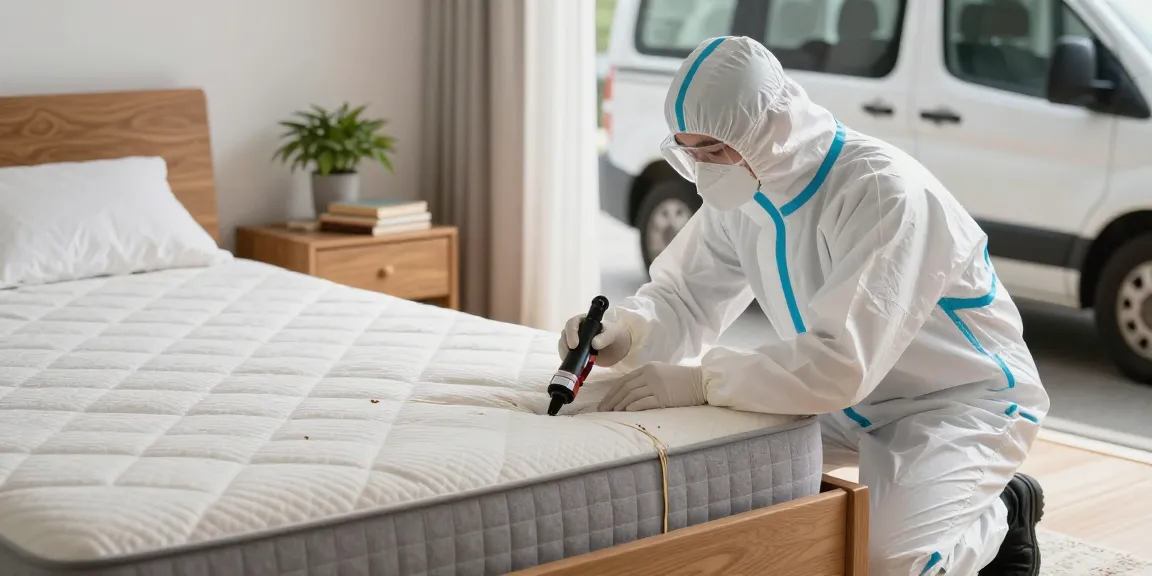
Understanding Bed Bugs and Their Behavior
Bed bugs, those elusive nocturnal pests, have become a significant concern for many homeowners and businesses. The resurgence of bed bug infestations in recent years has heightened awareness about their presence and the importance of effective extermination methods. This article provides valuable insights into understanding bed bugs, their behavior, the most effective extermination methods, and how to prepare your home for treatment. If you’re struggling with an infestation or want to prevent one, knowing how to recognize the signs and effectively manage the situation is crucial. When exploring options, bed bug exterminators are here to help guide you through the process.
What Are Bed Bugs and How Do They Spread?
Bed bugs are small, reddish-brown insects that feed on the blood of humans and animals. They are about the size of an apple seed, making them easy to overlook. These pests are highly effective hitchhikers, often entering homes through infested luggage, used furniture, and even clothing. Once they invade a home, they can quickly proliferate, with females laying up to seven eggs per week. Understanding their mode of transportation is essential for prevention.
Recognizing Signs of an Infestation
Identifying a bed bug infestation early can save homeowners from extensive damage and discomfort. Key indicators of their presence include:
- Red, itchy welts on the skin, often in a line or cluster.
- Small blood stains on sheets or mattresses.
- Dark spots on bedding, which are fecal matter from bed bugs.
- Presence of molted exoskeletons or live bugs in the seams of mattresses and furniture.
Regular inspections of sleeping areas and common storage spaces can help catch infestations before they escalate.
Common Misconceptions About Bed Bugs
Many people believe that bed bugs only infest dirty or neglected environments, but this is a myth. Bed bugs can thrive in any setting, regardless of cleanliness. Additionally, some might think that DIY pest control methods are sufficient; however, these are often ineffective against established infestations. Understanding these misconceptions is vital for effective management and prevention strategies.
Choosing the Right Bed Bug Extermination Method
When it comes to eradicating bed bugs, selecting the right treatment method is crucial. Various strategies exist, each with its benefits and drawbacks. This section explores the leading techniques available.
Heat Treatment vs. Chemical Treatments
Heat treatment and chemical methods are the two most popular options for bed bug extermination. Heat treatment involves raising the temperature of infested areas to over 120°F, effectively killing bed bugs and their eggs. This method has the added benefit of being environmentally friendly and non-toxic. In contrast, chemical treatments involve using pesticides that can remain effective for extended periods, providing residual protection against re-infestation.
Pros and Cons of Different Extermination Strategies
- Heat Treatment:
- Pros: Non-toxic, effective against all life stages, and minimal prep required.
- Cons: High initial cost and requires specialized equipment.
- Chemical Treatments:
- Pros: Generally lower cost, long-lasting residual effects, and good for established infestations.
- Cons: Potential harmful chemicals, long preparation time, and multiple treatments may be necessary.
When to Opt for Professional Help
While some may attempt to handle bed bug infestations independently, the complexities involved often necessitate expert intervention. If you notice signs of an infestation or if previous DIY methods have failed, it’s time to consult professional bed bug exterminators. Their expertise and resources can ensure a thorough eradication process, providing peace of mind and effective results.
Preparing Your Home for Bed Bug Extermination
Preparation is key to the success of any bed bug extermination treatment. Taking the right steps can enhance the effectiveness of the treatment and ensure that your home is ready for a fresh start.
Essential Steps Before Treatment
Before the extermination process begins, there are several critical steps you should undertake:
- Clear clutter from infested rooms to allow for thorough inspections and treatments.
- Wash all bedding, linens, and clothing in hot water to eliminate any bed bugs and eggs.
- Vacuum floors, carpets, and furniture to remove any visible pests.
- Seal items in plastic bags to prevent cross-contamination.
How to Safeguard Your Belongings
To protect your belongings during treatment, it’s essential to follow some safety guidelines:
- Keep personal items like clothing and bedding sealed until after the treatment.
- Consider removing any items from the infested area to prevent them from becoming infested.
- Inform your exterminator of any items that require special care or that should be treated with caution.
Creating an Effective Extermination Plan
Work closely with your exterminator to develop a comprehensive plan tailored to your specific situation. This plan will include steps for preparation, treatment, and post-treatment follow-ups. Transparent communication with your exterminator ensures that both parties are aligned and can effectively tackle the problem.
Post-Treatment Care and Prevention
After the extermination process, maintaining a bed bug-free environment requires diligence and ongoing vigilance. Knowing how to care for your home post-treatment is crucial for long-term success.
Signs of Successful Treatment
Post-treatment, watch for signs that your extermination was successful, such as:
- Reduction or elimination of bites on the body.
- Absence of visible bugs or signs of activity, like blood stains or droppings.
- Positive feedback from follow-up inspections conducted by pest control professionals.
Long-Term Prevention Strategies
Preventing future infestations involves consistent monitoring and adopting best practices:
- Regularly check sleeping areas and furniture for signs of bed bugs.
- Use protective covers on mattresses and box springs to prevent infestations.
- Be cautious when bringing used furniture or clothing into your home.
How to Maintain a Bed Bug-Free Home
To maintain a bed bug-free home, stay proactive. Engage in routine inspections, maintain cleanliness, and keep clutter to a minimum. Develop a partnership with your pest control service to ensure regular treatments and inspections to safeguard against future infestations.
Case Studies and Customer Testimonials
Real-world experiences from clients can shed light on the effectiveness of various extermination methods. Many satisfied customers have shared their success stories after partnering with bed bug exterminators.
Real-Life Success Stories from Our Clients
One client, a family living in a multi-unit building, struggled with a recurring bed bug problem for months. After utilizing our comprehensive heat treatment service, they reported complete eradication of the pests within a week, allowing them to regain their peace of mind.
How We Achieved Effective Results
By combining heat treatment and residual chemical barriers, we have successfully treated numerous infestations, providing lasting results. Our targeted approach ensures that treatment is effective across all life stages of the bed bugs, leading to complete eradication.
Understanding Customer Satisfaction in Bed Bug Control
Customer satisfaction is crucial in pest control services. Our focus on education, transparency, and effective solutions has garnered us a loyal client base, evidenced by our high ratings and positive feedback. Engaging with clients throughout the process fosters trust and ensures a successful extermination experience.
What should I do if I see signs of bed bugs?
If you notice any signs of a bed bug infestation, it’s essential to act quickly. Start by isolating the area, conducting a thorough cleaning, and contacting professional bed bug exterminators for a comprehensive treatment plan.
Can I handle bed bug infestations myself?
While some minor infestations can be treated with DIY methods, it is often not sufficient for established infestations. Professional exterminators possess the expertise and tools necessary for thorough eradication.
How long does bed bug extermination take?
The duration of extermination varies depending on the severity of the infestation and the chosen treatment method. Typically, most professional treatments can be completed within a few hours, but follow-up inspections may be necessary.
Are bed bug treatments harmful to pets?
Most modern bed bug treatments are designed to be safe for pets, but it’s essential to inform your exterminator about all pets in the home. They can guide you on how to keep your pets safe during the treatment process.
What are the costs associated with bed bug extermination?
The costs of bed bug extermination vary based on the severity of the infestation, the treatment method selected, and the size of your home. While it may be tempting to choose the cheapest option, investing in quality treatment often yields better long-term results.