
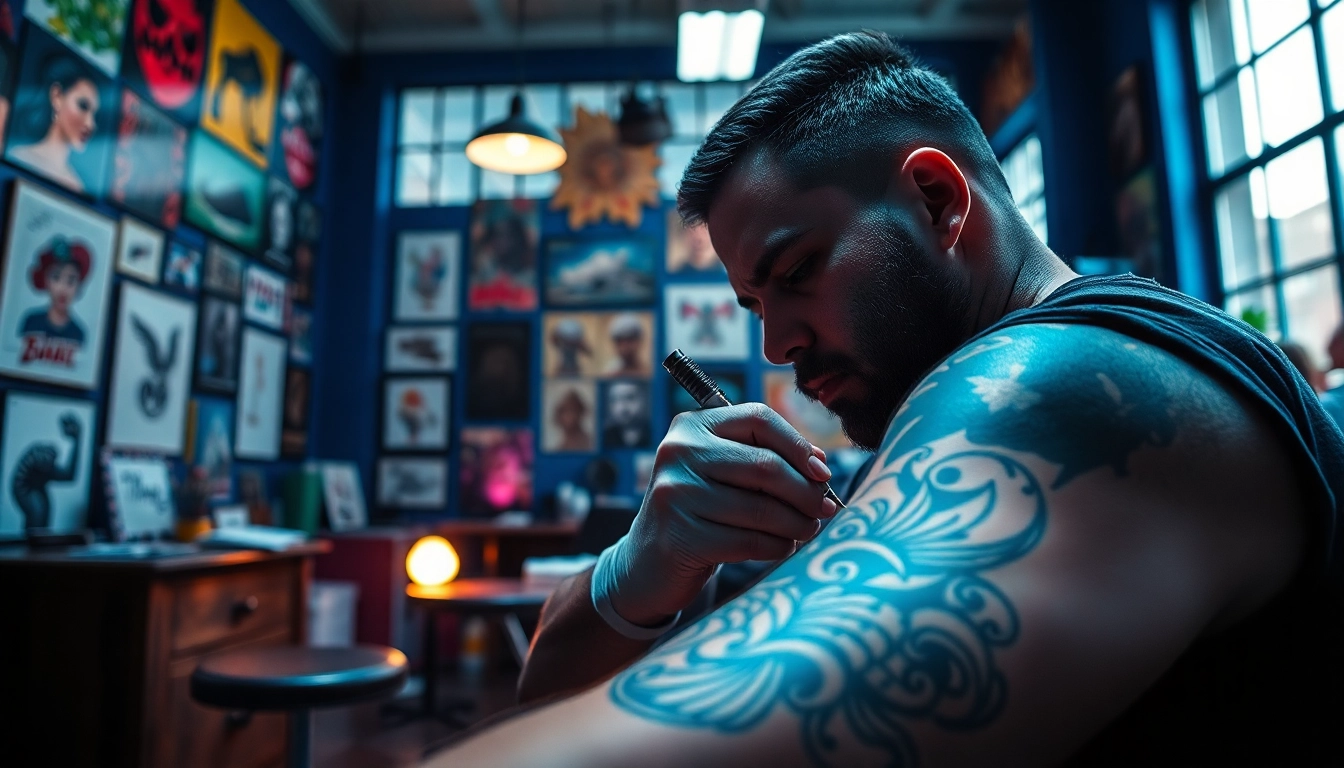
The Evolution of Tattoo Artistry
The art of tattooing is an ancient practice that has traversed cultures and generations, evolving into a vibrant form of self-expression and artistry today. Tattoos have transformed from tribal insignia and symbols of status to personal statements and professional art forms. This evolution reflects broader societal changes and the increasing acceptance of tattoos in mainstream culture. In exploring the journey of tattoo artistry, we can uncover how these inked impressions have transitioned into a respected craft. For those interested in this artistic expression, 89bet.tattoo provides comprehensive insights into modern tattoo trends and techniques.
1.1 Historical Perspectives on Tattoos
The history of tattoos dates back thousands of years, with the oldest known tattooed human remains being over 5,000 years old. Different cultures have adopted tattooing for various purposes, such as rites of passage, religious beliefs, and even as a mark of criminality. For example, Egyptian mummies often exhibited tattoos that were thought to have magical purposes, while Polynesian culture developed intricate tattooing techniques that conveyed personal lineage and societal status. This historical context is vital to appreciating how tattoos serve as a canvas for personal and cultural narratives.
1.2 Modern Techniques and Trends
Today’s tattoo artistry is characterized by advanced techniques and a wide array of styles that cater to diverse preferences. Innovations in equipment, such as rotary machines and vegan inks, have revolutionized the tattooing process, making it more efficient and less painful. Trends like watercolor tattoos, geometric designs, and minimalistic art reflect contemporary aesthetics, while traditional styles like Japanese irezumi maintain a loyal following. Understanding these modern techniques helps clients choose a style that resonates with them personally, contributing to the ongoing dialogue between tattoo artist and client.
1.3 Cultural Significance of Tattoos Today
In contemporary society, tattoos have shed much of their stigma, becoming celebrated as an art form. The rise of social media platforms has played a pivotal role in this shift, allowing tattoo artists to showcase their work and connect with a global audience. Tattoos now symbolize various things, from personal resilience to artistic expression. Furthermore, the proliferation of tattoo conventions and expos highlights the growing respect and appreciation for tattoo artistry, turning what was once seen as rebellious into a celebrated aspect of modern culture.
Understanding Tattoo Styles
2.1 Popular Tattoo Genres Explained
With the evolution of tattooing, numerous styles have emerged, each with its unique characteristics and history. Among the most popular styles are:
- Traditional: Known for bold lines and bright colors, this style often features iconic designs like roses, skulls, and eagles.
- Realism: This genre aims to depict images in a lifelike manner, capturing intricate details and textures.
- Watercolor: This style mimics watercolor paintings with vibrant splashes of color and fluid shapes, creating an ethereal effect.
- Geometric: Focusing on shapes and patterns, geometric tattoos often represent complex ideas through minimalistic design.
- Neo-Traditional: Expanding on traditional tattoo elements with diverse color palettes and more intricate designs, neo-traditional tattoos offer a modern twist on classic themes.
Understanding these styles can aid individuals in making informed decisions about their tattoos and ensure their chosen designs resonate with their personal identity.
2.2 Choosing the Right Style for You
Selecting a tattoo style can be an exciting yet daunting task. Factors to consider include personal meaning, aesthetic preference, and the skill of the tattoo artist. It’s essential to spend time researching various styles and finding inspiration that speaks to you. Consulting with a professional tattoo artist can provide valuable insights; they can help align your vision with their expertise and suggest modifications or enhancements when necessary.
2.3 The Impact of Personalization in Tattoo Art
One of the defining features of modern tattoos is their level of personalization. Many individuals opt for custom designs that reflect their identities, stories, or significant life events. Personalization not only enhances the meaning behind the tattoo but also fosters a deeper connection between the wearer and the art. Collaborating with a tattoo artist to create a unique design can result in a profound experience, transforming a simple tattoo into a lifelong emblem of one’s journey.
The Tattoo Process: What to Expect
3.1 Preparing for Your Tattoo Appointment
Preparation is crucial for ensuring a successful tattoo experience. Before your appointment, it’s advisable to do the following:
- Research Artists: Choose a reputable tattoo artist whose style aligns with your vision.
- Consultation: Discuss your design ideas and any concerns with your artist during a pre-tattoo consultation.
- Stay Hydrated: Drink plenty of water before your session, as proper hydration can help reduce discomfort.
- Avoid Alcohol: Steering clear of alcohol 24 hours prior can minimize bleeding during the procedure.
By taking these steps, you can help create a positive environment for your tattoo experience.
3.2 The Tattoo Session: Step-by-Step
During the tattoo session, clients can expect a structured process, typically comprising the following steps:
- Preparation: The artist will prepare the workspace and sanitize the equipment.
- Stencil Application: A stencil of the design will be applied to the skin to ensure placement and proportions.
- Tattooing: The actual tattooing begins; the artist will use a tattoo machine to apply ink into the skin.
- Wound Care: Once completed, the artist will apply a protective covering and provide aftercare instructions.
Understanding this process helps alleviate anxiety, ensuring a smoother experience for first-timers.
3.3 Aftercare: Ensuring Proper Healing
Proper aftercare is essential for tattoo healing and longevity. Following your artist’s aftercare instructions can prevent complications and ensure your tattoo looks its best over time. Key aftercare tips include:
- Keep it Clean: Gently wash the tattoo with unscented soap and water, and avoid soaking it in water.
- Moisturize: Apply a specialized tattoo aftercare ointment to keep the skin hydrated.
- Avoid Sun Exposure: Keep your tattoo covered from the sun to prevent fading.
- No Scratching: Resist the urge to scratch or pick at scabs; this is crucial for maintaining the design’s integrity.
Adhering to these guidelines will help ensure that your tattoo heals properly and remains vibrant for years to come.
Navigating the World of Tattoo Artists
4.1 How to Choose a Tattoo Artist
Choosing the right tattoo artist is a critical step toward achieving your desired outcome. Factors to consider include:
- Portfolio: Review the artist’s portfolio to assess their style and skill level.
- Specialization: Some artists specialize in certain styles—ensure your artist’s expertise aligns with your desired tattoo genre.
- Reviews: Look for customer testimonials and reviews to gauge satisfaction levels from previous clients.
- Consultation: Schedule a consultation to discuss your ideas, concerns, and get a feel for the artist’s approach.
Taking the time to choose the right artist can significantly enhance your tattoo experience and end result.
4.2 Understanding Pricing and Tipping Etiquette
Understanding tattoo pricing can help manage expectations while planning your tattoo. Prices vary widely based on factors like:
- Size: Larger tattoos will naturally cost more due to the time and materials involved.
- Complexity: Intricate designs that require more skill and time will typically be priced higher.
- Artist Experience: More experienced artists may charge a premium for their expertise.
When it comes to tipping, a general guideline is to tip between 15-20% of the total cost. If you’re particularly pleased with your artist’s work, consider tipping more.
4.3 Building a Relationship with Your Tattoo Artist
Establishing a rapport with your tattoo artist can enhance the overall experience and lead to better outcomes. Building a relationship allows for open communication and understanding, enabling your artist to capture your vision more accurately. Many clients have ongoing relationships with their tattoo artists, returning for new pieces or touch-ups, which fosters a sense of community within the tattoo culture.
Future Trends in the Tattoo Industry
5.1 Innovations in Tattoo Technology
The tattoo industry continues to innovate, integrating technology in ways that enhance both the artistry and the experience. Innovations include:
- Digital Tattoo Design: Software that allows artists to create and modify designs digitally before inking them on skin.
- Laser Technology: Advanced lasers for tattoo removal that minimize skin damage and improve outcomes.
- 3D Printing: Potential for creating temporary tattoos or skin art that can be customized for special occasions.
These advancements not only make the tattoo process smoother but also allow for unprecedented creativity in design.
5.2 Emerging Styles and Their Popularity
As societal norms continue to shift, new tattoo styles and trends are emerging. Examples include:
- Fine Line Tattoos: Delicate, intricate designs that use thin lines for a minimalistic effect.
- Bio-Mechanical Tattoos: Merging organic and mechanical elements, these tattoos often mimic human anatomy fused with machinery.
- Abstract Art: Using colors and shapes to create tattoos that represent emotions or concepts rather than a specific image.
These styles reflect a growing desire for tattoos that transcend traditional concepts and speak to contemporary life experiences.
5.3 The Role of Social Media in Shaping Tattoo Culture
Social media platforms have become essential in shaping modern tattoo culture. For more information, Đại lý 89bet offers valuable insights. Artists showcase their portfolios, clients share stories, and communities form around shared interests in tattoo art. Platforms like Instagram and TikTok are particularly influential, driving trends and offering insights into the tattooing process. The ability to connect and engage with a global audience has empowered artists and clients alike, fostering a vibrant and dynamic tattoo culture.