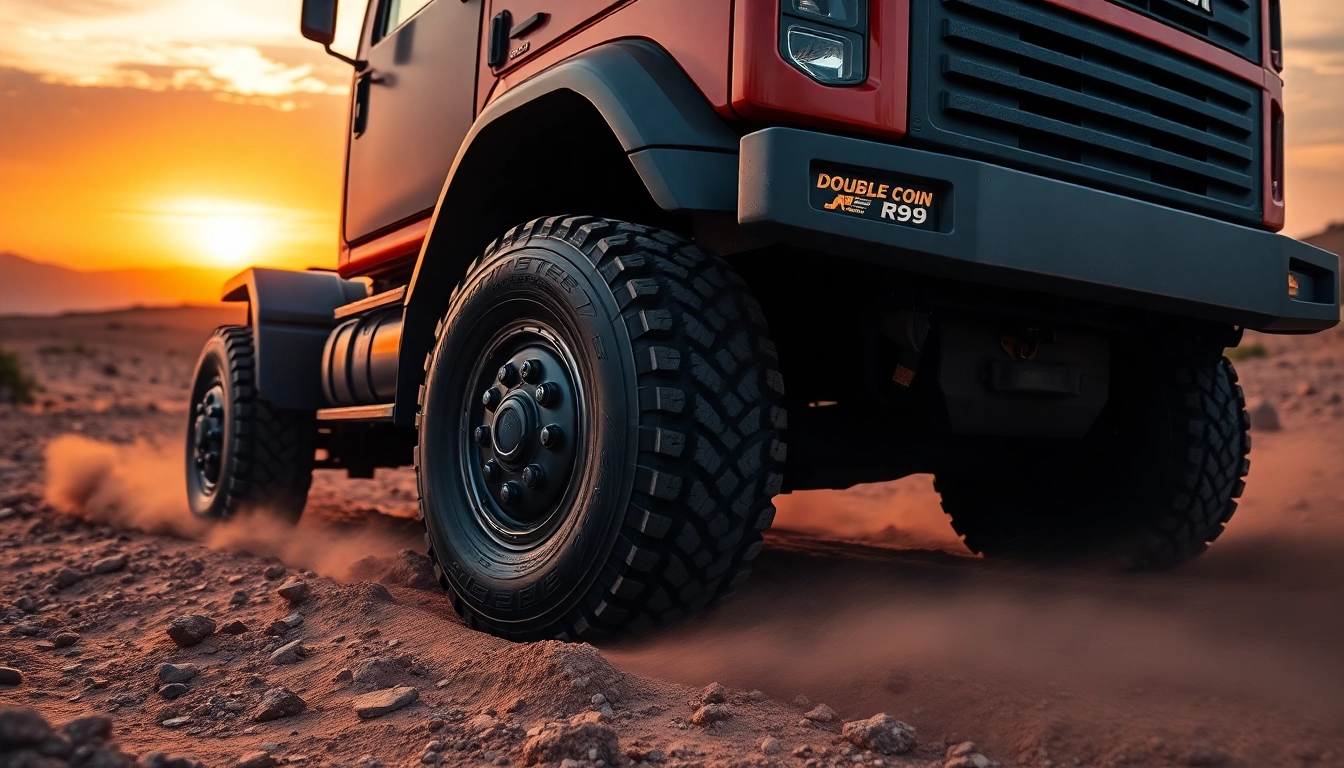
Understanding the RR99 Tire: Features and Benefits
The RR99 tire has established itself as a leading choice in the commercial tire market, particularly for those requiring durability and performance in mixed service applications. Designed to meet the diverse demands of heavy-duty transportation, this tire offers a blend of robust features that cater to both on-road and off-road needs. With its strategic engineering and high-quality materials, the RR99 aims to provide truck operators with a reliable solution for various operational challenges.
What Makes the RR99 Stand Out in the Market?
The RR99 sets itself apart through its advanced tread design, which includes large open grooves and a unique rubber compound. These features work together to enhance traction and stability on various surfaces, making it a versatile option for mixed service conditions. The tire’s strong all-position tread pattern allows for consistent performance whether navigating urban roads or tackling rough terrains.
Performance Metrics: Analyzing Durability and Reliability
In terms of durability, the RR99 tire is engineered with cut, chip, and tear-resistant tread compounds, ensuring longevity even in harsh conditions. This resilience translates to lower operational costs for fleet managers, as the tire can endure substantial wear without compromising performance. Furthermore, the RR99 meets various load ratings, thus catering to different vehicle specifications and ensuring reliability on the road.
Common Applications: Where the RR99 Excels
The RR99 is ideally suited for various applications, including construction, mining, and logistics. Its mixed-service capabilities allow it to perform exceptionally well in environments ranging from high-traffic highways to rugged off-road sites. Whether used on delivery trucks or heavy-duty transports, the RR99 has proven its worth across multiple sectors.
Choosing the Right Tire: Factors to Consider
When considering a tire for mixed service applications, there are several critical factors to assess, including load ratings and specifications tailored to your vehicle’s requirements. As such, understanding the capabilities of the RR99 can significantly aid in making an informed choice.
Load Ratings and Specifications for Your Vehicle
Understanding load ratings is essential for selecting the appropriate tire. The RR99 offers various specifications to accommodate different truck types, ensuring optimal performance and safety. Always refer to your vehicle’s manufacturer guidelines to match the correct tire specifications.
Off-Road vs. On-Road Performance: What You Need to Know
While some tires excel in off-road conditions, others are optimized for highway use. The RR99 strikes a balance between these environments, providing reliable traction and durability no matter the driving conditions. This adaptability makes it a favored choice for fleets that require versatility.
Evaluating Cost vs. Value in Tire Selection
Investing in quality tires like the RR99 may present a higher upfront cost, but the long-term benefits often outweigh this initial investment. The durability and versatile performance reduce the frequency of replacements, ultimately leading to cost savings over time.
Installation and Maintenance Best Practices
Proper installation and regular maintenance are crucial for maximizing the lifespan and performance of your RR99 tires. By following best practices, operators can ensure their tires operate efficiently and safely.
Step-by-Step Guide to Proper Installation of RR99 Tires
- Prepare your vehicle by ensuring it is clean and parked on a flat surface.
- Inspect the tire for any visible damage or defects before installation.
- Align the tire with the wheel hub, making sure it fits snugly.
- Secure the tire with the manufacturer-recommended torque settings for lug nuts.
- Inflate the tire to the specifications indicated on the sidewall.
Essential Maintenance Tips for Longevity
- Regularly check tire pressure to maintain optimal inflation levels.
- Rotate tires every 6,000 to 8,000 miles to ensure even wear.
- Inspect tread depth frequently to identify signs of wear.
- Keep tires clean and free from debris to prevent damage.
Signs You Need to Replace Your RR99 Tires
Knowing when to replace tires is critical for safety. Signs include:
- Significant tread wear or bald spots.
- Visible cracks or bulges on the tire sidewall.
- Loud noises or vibrations while driving.
- Loss of traction, especially in wet or icy conditions.
Customer Insights and Real-World Applications
Real-world experiences from various industries provide valuable insights into the effectiveness of the RR99 tire, showcasing its capabilities across different scenarios.
Case Studies: Successful Use of RR99 in Various Industries
Companies in the construction and logistics sectors have reported increased efficiency and reduced downtime with the RR99. For example, a logistics company noted a 15% increase in delivery efficiency attributed to fewer tire-related breakdowns and improved load handling.
What Customers Are Saying: Reviews and Testimonials
Customer feedback consistently highlights the RR99 for its reliability and performance. Many users praise its durability, stating that they have experienced fewer replacements compared to other tire brands, further validating its cost-effectiveness.
Challenges Faced with Other Tire Models Compared to RR99
While the market offers a variety of tire options, many alternatives fall short in terms of durability and versatility. Users have reported issues with premature wear and inadequate performance in mixed service conditions, reinforcing the RR99’s strong standing in the industry.
The Future of Truck Tires: Trends to Watch for in 2026
As the tire industry evolves, staying informed about emerging trends will be crucial for fleet managers and truck operators alike. The future looks promising for innovations that enhance performance and sustainability.
Emerging Technologies Impacting Tire Design and Performance
Technological advancements, such as smart tire technology and enhanced rubber compounds, are set to revolutionize tire efficiency. These innovations will likely increase safety, fuel efficiency, and overall performance.
Environmental Considerations: Sustainability in Tire Manufacturing
With growing environmental concerns, tire manufacturers are exploring sustainable practices, including the use of eco-friendly materials and recycling initiatives. The trend towards greener manufacturing processes is expected to shape the future of tire production.
Predictions for the Truck Tire Market: What to Expect
The truck tire market is projected to grow steadily, driven by increased demand for durable and efficient tires in commercial transportation. For more information, super ace nổ hũ offers valuable insights. As operators prioritize cost savings and sustainability, the RR99’s features align well with market expectations for the coming years.